
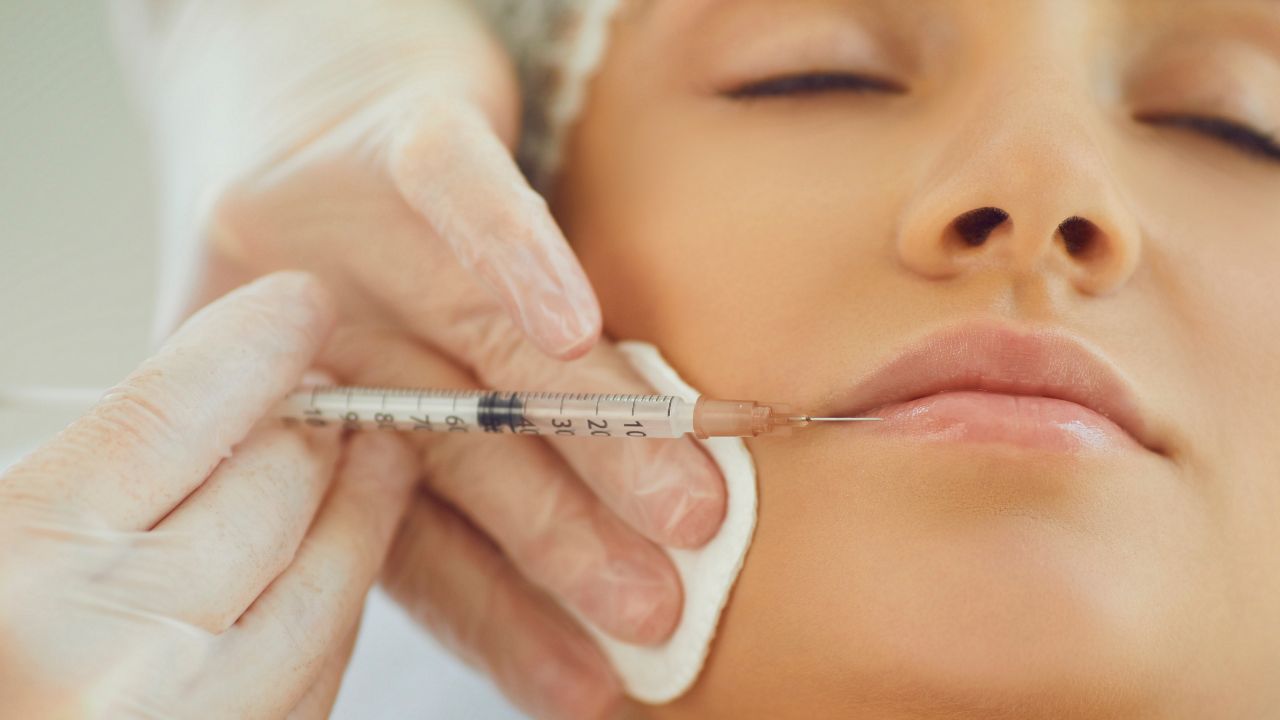
Your lips looked great after your filler appointment. A few weeks or months later, they look like they’ve gone back to how they were, and you’re wondering if something went wrong. Sometimes it has. Often, it’s one of a short list of normal reasons.
Here’s how long lip filler usually lasts, what makes yours fade sooner, and what to ask your injector so your next visit goes better.

How Long Does Lip Filler Last, and Why Yours May Be Different
Hyaluronic acid (HA) lip filler usually lasts somewhere between six months and about a year and a half, depending on the source you read and the person being treated. The published numbers don’t all agree:
- Cleveland Clinic’s lip filler guide says lip fillers typically last 12 to 18 months.
- A dermatologist interviewed for Cleveland Clinic’s lip filler aftercare article says filler dissolves on its own within six to 12 months.
- Juvéderm, one of the big HA filler makers, says its lip fillers give results lasting up to one year with optimal treatment.
So if your filler has faded at eight months, that can still sit inside the normal range.
Why the spread? Cleveland Clinic says it depends on your age and your metabolism, and that younger people tend to break lip filler down faster.
Is Your Lip Filler Fading, or Was It Swelling?
If your lips “shrank” within the first two to four weeks, the most likely reason is that the swelling went down. That isn’t the filler disappearing. It’s the real result showing up.
Cleveland Clinic’s lip filler guide says swelling usually settles in 24 to 48 hours but can take up to a week. The dermatologist in its aftercare article gives a longer window: two to four weeks for the swelling to fully go and for the filler to settle into the lip tissue. Both are normal, and everyone swells differently.
This is why Cleveland Clinic suggests a follow-up appointment about two weeks after lip filler. It’s also why the photo you take in the parking lot on the day is not a fair comparison. Judge the result once the swelling has had time to settle.
Lip Filler Troubleshooting: What You Notice, the Likely Cause and What to Ask
Match what you’re seeing to the closest description below. This won’t diagnose anything, but it will help you ask a better question at your review.
- Much bigger in week one, smaller by week three: the likely cause is swelling settling, as above. Ask: “Can we look at my lips at a two week review before deciding if I need more?”
- One side looks fuller than the other: early on, swelling can be uneven. If it’s still uneven once things have settled, HA filler can be adjusted. Cleveland Clinic’s guide to dissolving lip filler notes that filler can be partly dissolved if you have uneven lips or volume that looks unnatural. Ask: “Can this be adjusted, and how?”
- A small lump you can feel: the aftercare article says filler stays soft and movable for several days, and providers often gently massage the lips after injecting. It also says to contact your provider about lumps that are large, hard, painful or still there after a couple of days. Ask: “Is this something to massage or leave, or does it need another option?”
- Fullness above the lip line: Cleveland Clinic lists migration, where filler moves into nearby areas (usually toward the nose), as a possible risk. Ask: “Has some filler moved, and what would you do about it?”
- A slow, even fade over several months: this is the filler breaking down as expected, and it happens faster for some people. Ask: “Which product did you use, how much, and would a different choice suit me next time?”
Some fading is simply what HA filler does. It’s designed to break down over time, and the aftercare article notes that once it does, the lips return to their original state.
Things That Change How Long Lip Filler Lasts
Your age and metabolism are the two factors Cleveland Clinic names. You can’t change either of those, but knowing them helps set your expectations. If you’re younger, plan for the shorter end of the range rather than being caught off guard.
Lip Filler Aftercare in the First Few Days
Aftercare matters most in the first few days, mainly for swelling and bruising. The dermatologist in Cleveland Clinic’s aftercare article suggests:
- Skip hard workouts for a few days: vigorous exercise can make swelling and bruising worse. A walk or gentle yoga is fine.
- Drink plenty of water.
- Keep dental work at least two weeks away: avoid it for two weeks before and after your injections.
Follow the aftercare your injector gives you. For lip injections, ZenVita’s dermal fillers page asks you to avoid using straws, smoking, heavy kissing or oral activities for two weeks.
Lip Filler Products and Placement Make a Difference
Not all HA fillers are the same product, and each maker sets out its own claims about how long its products last. Juvéderm’s own lip claim, for example, is up to one year, and it notes that the comparison behind its claims was not a head-to-head study.
At ZenVita, lip filler uses hyaluronic acid fillers, which the dermal fillers page describes as suited to hydrating and adding volume. Where the filler goes, and how much is used, also changes how a result looks and how long you notice it.
So rather than asking “which brand lasts longest?”, ask your injector three things: what product they used, how much went in, and where they placed it. Write the answers down. If you ever see a different injector, that record helps them plan.
When to Call the Clinic Right Away After Lip Filler
Some symptoms are not a fading question at all, and they need a call the same day. The rare but serious risk with filler is injection into a blood vessel, which can block blood supply to the skin. The US Food and Drug Administration (FDA) says this can lead to tissue death, vision problems including blindness, or stroke.
Contact your provider immediately, or get emergency care, if you notice:
- Pain that is severe or unusual, not just tenderness
- Lips or nearby skin turning pale, white, gray, blue or purple
- Any change in your vision
- Any signs of a stroke
The Cleveland Clinic dermatologist names extreme pain, paleness and purple color around the lips as possible signs of a blocked blood vessel. Cleveland Clinic’s lip filler guide also lists cold sore flare-ups as a possible risk and advises against treatment while you have an active cold sore, so mention it to your injector if you get them.

Planning Your Next Lip Filler Visit
The best time to plan your next lip filler visit is once the swelling from the last one has fully settled and you can see what’s really left. A few things make that visit more useful:
- Bring photos: one from before your last treatment, one at about two weeks, and one from now, all in similar light.
- Bring your record: the product, amount and date, if you have them.
- Allow time if anything was dissolved: Cleveland Clinic says it’s best to wait at least 14 days after dissolving before adding more filler, since the full effect of dissolving can take up to two weeks to show.
- Preview the look first: if you’re thinking about a different shape this time, try the lip filler AI simulator before your appointment so you can show your injector what you like.
If you’re thinking about adding cheeks at the same time, read the signs to wait before cheek filler first. Some faces are better off waiting.
Lip Filler FAQs
How long does lip filler last?
Published ranges for hyaluronic acid lip filler run from about six months to 18 months. Cleveland Clinic’s lip filler guide says 12 to 18 months, while a Cleveland Clinic dermatologist says six to 12 months, and Juvéderm claims up to one year for its lip products. Age and metabolism make a difference, and younger people tend to break filler down faster.
Why did my lip filler disappear after two weeks?
Often it didn’t. What you saw in the first days may have been swelling, which can take two to four weeks to settle fully, according to a Cleveland Clinic dermatologist. Once it goes, the real result is smaller than the swollen version. A review at about two weeks is a good first check, and some swelling can take up to four weeks to settle fully.
Can lip filler be dissolved if I don’t like it?
Hyaluronic acid filler can be dissolved, according to Cleveland Clinic. It explains that an enzyme called hyaluronidase breaks down HA filler and can be used to treat a lump or uneven lips. Some change shows right away, but the full effect can take up to two weeks, and it’s best to wait 14 days before adding more. Ask your injector whether dissolving is an option for you.
When should I book my next lip filler top-up?
There isn’t one schedule that suits everyone. Book once your last result has fully settled and you can see how much you’ve lost, then decide with your injector. Bring photos and your product record. Some people like to top up as it fades, and others are happy to let it go and decide later.
Book a Lip Filler Review in Aurora
If your lip filler has faded sooner than you hoped, or something doesn’t look right, a review is the place to work out why. ZenVita Medspa Aesthetics and Wellness is a nurse-practitioner-led clinic in Aurora, seeing clients from across the Denver area. Book your consultation at ZenVita and bring your photos with you.